

WHAT IS THE CARNIVORE DIET?
I think it's good to clarify what constitutes the carnivore diet, because surprisingly many people believe they know or have an idea, but what I usually hear could be described as 'carnivore adjacent'.
Some people think that it's simply eating 'a lot of meat', others think it's eating only meat (which is true in some cases but is not a core definition).
Some people think it's a very 'decadent' diet and they imagine it's about eating 'only steaks', and make comments like this one: 'I wish I was able to afford only steaks'. This happened to me several times, and people make this comment despite having seen me almost everything else that constitutes the carnivore diet.
There is something about it that sometimes has this strange effect as if upon hearing it people's brains freeze and it's almost like they are unable to process this information. And I'm including myself in this category, that is until I learned what the carnivore diet is really all about.
At its core, the carnivore diet is what's called an 'elimination diet' (mostly for healing purposes) and is about eliminating most—if not all—plant-based foods and replacing them with animal-based foods.
It's called an 'elimination' diet because its purpose is to eliminate and consequently heal every obstacle that might obstruct the healing process (like plant toxins) in the body. On the other hand, meat fish and dairy do not have any inherent toxins.
In short, the body can't do its job of self-healing if we ingest foods that cause dysfunction and disrupt optimal processes in the body. On the surface it seems the most restrictive but it's also the most healing.
'I WANT TO BE 110 AND PLAY TENNIS'
-Dr Ken Berry
WHAT IS A KETOGENIC DIET?
A ketogenic diet is a low-carbohydrate (usually 20-30g of carbs per day), high-fat diet that shifts the body’s metabolism from using glucose to using fat and ketones for energy. The lower you can bring the carb content, the better. For example, I usually can bring it down by having a splash of milk in my coffee (which is about 1g of carbs that come from milk)
Often called the keto diet, it involves reducing carbohydrate intake and replacing it with fat, while maintaining moderate protein consumption
Typically, the macronutrient ratio is about 60–75% fat, 20–30% protein, and 5–10% carbohydrates
By limiting carbs, the body enters a metabolic state called ketosis, where the liver converts fat into ketone bodies, which serve as an alternative energy source for the brain and muscles.
The purpose of the ketogenic diet is to have your body run on fat as fuel, as opposed to carbohydrates.
The Carnivore Diet IS a ketogenic diet.
“MEAT IS THE MOST NUTRIENT DENSE FOOD ON THE PLANET”
-Dr Shawn Baker
The biggest problem in so many diets is malnutrition (even the plant-based diets - you can read more in the 'plant toxins' section). For example, certain vitamins, if ingested along with carbohydrates, have to compete for absorption, so even if you think you are getting enough vitamins and minerals, they might not actually get absorbed, or if coming from plants, even be bioavailable. I'll give you an example - spinach, which is hailed as a 'health food', only has 1% of its iron in a bioavailable form. Which means that your body is simply not getting what it needs the most. Which is exactly what the carnivore diet addresses - as animal foods contain only highly nutritious and bioavailable micronutrients, it has 0 toxins.
Here is a definition of food: that which is eaten to sustain life, provide energy and promote growth and repair of tissues; nourishment. So you can see that it's real definition is something quite different from it's often casual meaning of 'something to eat to get pleasure or reward from'. Also - the word 'diet' means 'a way of living' - which is a polar opposite from the way many people believe they understand it as 'something people do to deprive and starve themselves'. So the carnivore diet is exactly fitting, even if misunderstood.
What I love about it is that, unlike many other diets that someone tried to sell to you in the past (or even the well-meaning friends and family), the carnivore diet is not a product, therefore there is no one 'what to eat and in what quantities' solution. People in the carnivore community call it a 'lifestyle' or a PHD - Proper Human Diet (as named by dr. Ken Berry). You can read about this more in the below section:
This is how you know it's for real - because it can't be packaged and sold to you - hence nobody is getting richer or better off.
Except for you and your health.
WHAT TO EAT ON THE CARNIVORE DIET?
So basically, if the food comes from an animal, it’s fair game. This means that meat, fish, seafood, eggs, organs, broth, and even dairy can be included in your carnivore diet meal ideas, because none of these foods contain plant nerve toxins, whilst animal sourced foods do not contain any toxins harmful to humans.
Salt to taste (some people can't even eat bacon after a while as it's too salty for them), water or meat broth or meat stock to drink. The best salt is Celtic salt (it's grey and slightly wet - harvested by traditional methods without any additions). Pink Himalayan salt or sea salt are also good, though apparently some have aluminium added to it, so make sure to do your research. All the above contain dozens of minerals. Avoid table salt - it's completely devoid of nutrients and has a ton of additives.
Many folks who try the carnivore diet will make small exceptions for simple things like coffee, tea, and spices.
However, the idea at the core of the carnivore diet is to achieve two things:
eliminate plant toxins (so called anti-nutrients) which may cause many health-related issues. Dr. Berry explains:
ramp up return to state of health and balance by eating only these foods which are rich with dense, bioavailable nutrients (which come from animal foods) - malnutrition is a hidden epidemic, yes, also in adults, and yes, also in Western countries!
For this reason, the carnivore diet is not a one size fits all approach. At the beginning you will need to listen to your body and do a bit of a trial-and-error period - adjusting which carnivore foods you can eat (during the healing period some people can't even eat eggs or butter!), in which quantities with the right amount of fat. Just remember to get adequate amounts of fat (on average at least 15-20% fat) - and do not rely on only lean meats as eating only lean meats could cause what's known as protein poisoning - you can find out more here:
Personally, I seem to do better on smaller meals but with higher fat content (like 30%)- rather than bigger meals with a 20% fat content. From what I read this seems to be an option that many women. But of course, there are no hard and fast rules here.
One of the popular ideas people implement is BBB & E - authored by dr. Ken Berry - which stands for: beef, bacon, butter & eggs. For some people this approach works and sometimes it makes it easier to remember what to stick to :) But of course, as stated before, pretty much any type of meat or fish or animal fat is 'allowed'.
For those wanting to lose weight it is recommended to cut out or phase out cheese and milk - as they contain lactose, and lactose turns to sugar in the body, and this prevents ketosis. And if you are not in ketosis, it will be harder to lose weight. You can find out more about it here:
Some people gobble butter and some can't digest it. So you might need to replace butter with tallow and adjust quantities of fat. Or replace it with ghee (you can very easily do it yourself at home, as ghee is normally quite expensive):
HOW TO MAKE GHEE | easy homemade ghee recipe - YouTube
Some people find that they need to cut out butter, eggs and everything else and only do the 'lion' version of the diet, meaning only ruminant meats (beef or lamb) + salt and water - at least for the healing period of usually 1-6 months.
Most people eat 2-3 meals a day, some do OMAD (one meal a day). Some do intermittent fasting or window eating - again, you would have to see which works best for you, but the purpose is here is to keep yourself in ketosis. No snacking between meals - the whole point is to keep you in ketosis and bring down your insulin levels - you can read more about it here:
Unlike with many diets the carnivore diet is not a one size fits all so you will have to try out different options and see what works best for you. I mean - we are all individuals, so this makes sense. One thing you should keep in mind is that the fat content should be quite high, of at least 15 - 20%.
Tinker with it and find a routine that works for you. In most cases, though, starting with fattier cuts of meat (like ribeye steaks and beef ribs) can make for a smoother transition. Some lean steaks can even have good fat added to them, too! (like tallow, lard or butter).
So you'll have to take it slow and observe how your body reacts. You can go to this section to try out some meal ideas to see which one works best for you:
Whichever version of the diet you decide is best for you it's still reducing or eliminating plant poisons and ingesting high density bioavailable nutrients - which is the main point of the carnivore diet and will likely bring you immeasurable benefits.


It's also not about BMI - I found this really interesting documentary about diabetes, just past the 8 minutes mark you can find a comparison of 2 x men with the same BMI, but one of them had 9% body fat and the other 22%!
The New Face of Diabetes - YouTube
Be patient, let your body tell you what feels best for you. Give it at least 30 days (in many cases you'll see and feel results earlier)
Then if you want to continue - additional 2 months. And if you still want to continue - another 3 months.
So to summarize - give it at least 1, 3 or 6 months.


WHY CARNIVORE WORKS
We've all heard - lose weight in order to be healthy. But it's the opposite - we need to get healthy first in order to lose weight. It's about healing the hormonal system that decides how fat is stored in our body. So losing weight is only a side effect of a healthy body.
Carnivore works because cutting carbs forces your body to switch from burning glucose to burning fat, producing ketones that suppress appetite, lower insulin, and improve blood‑sugar control.
How Ketosis Works: The Core Mechanism
1. Carb Restriction → Glycogen Depletion → Ketosis
Eating fewer than ~20–30 g of carbs per day depletes glycogen stores within 1–3 days.
The liver then converts fatty acids into ketone bodies (β‑hydroxybutyrate, acetoacetate, acetone).
These ketones become the main fuel for the brain, muscles, and organs.
2. Insulin Drops, Fat Burning Increases
Low carb intake sharply reduces insulin, the hormone that promotes fat storage.
Lower insulin allows fat cells to release stored fat for energy.
3. Ketones Provide Efficient Energy
Ketones cross the blood–brain barrier and supply up to ~60% of the brain’s energy during sustained ketosis.
They feed directly into cellular energy pathways without extra processing steps.
Why Keto Helps With Weight Loss
1. Strong Appetite Suppression
Ketosis blunts ghrelin (the hunger hormone), preventing the usual hunger rebound seen in dieting.
Higher ketone levels correlate with reduced hunger.
2. Stable Blood Sugar and Lower Insulin
Fewer carbs mean fewer blood‑sugar spikes and less insulin demand.
This improves insulin sensitivity and metabolic control, especially in insulin‑resistant individuals.
3. Hormonal Shift Toward Fat Mobilization
Low insulin + high glucagon = increased fat breakdown and ketone production.
IT'S ALL ABOUT INSULIN
When it comes to health, insulin is the main regulator of our health (and by extension weight).
Unlike what many people belief, this 'diet' is not really about 'controlling' your food, discipline or willpower. It's about knowledge and understanding what the core problem is. Once we are educated, our goals shift - so for example, if your goal is to lose weight, your goals will shift from 'losing weight' to 'attaining health', which weight loss will be a 'side effect of'. Once you understand certain mechanisms you will be naturally more motivated. So what we need to do is to NO LONGER TREAT SYMPTOMS! Your weight is a symptom, not the cause. Shift all your energy and attention to fixing the cause by creating a healthy body and the symptom of weight will no longer be a problem.
There is one thing you should be aware that might surprise you - is that 93% of everyone (you read that right) is either insulin resistant, pre-diabetic or diabetic. The problem lies in the fact that our body works very hard to remain in a state of homeostasis, which basically means that it won't tell us for years or even decades that something needs our attention, which makes sense why even thin people have visceral fat wrapped around their organs.
Basically, it goes like this: when you become insulin resistant it might lead to pre-diabetes, which might lead to diabetes. So everyone who is pre-diabetic or diabetic is also insulin resistant. So you can see why insulin resistance can be a problem.
Another fact is that 90% of pre-diabetics are unaware of it! And insulin resistance is responsible for all major diseases out there:
heart disease
chronic inflammation (which we are usually unaware of)
diabetes
cancers
dementia (which is now known as diabetes type 3)
strokes
obesity
high blood pressure
PCOS
Basically, insulin resistance is caused by too much insulin in the blood (not too much sugar as some people think).
Here is a quick explanation of what it actually is, why it's a problem and how to reverse it:


Insulin lowers blood sugar and deals with sugar in three ways:
causes cells to absorb sugar fuel
converts sugar to stored sugar (glycogen)
converts sugar to fat and cholesterol
In the absence of sugar and insulin, the body will use fat exclusively, and in the presence of insulin and sugar all aspects of fat burning are shut off and all 6 x fat burning hormones are disabled. In the presence of sugar in the blood, all 3 x fat storage hormones are activated ( which are insulin, estrogen and cortisol ). Also - Your body can only absorb a maximum of 35 grams of protein at one sitting; this is about 5 to 6 ounces of steak. Anything extra has a tendency to be converted to sugar-spiking insulin, especially if it’s lean protein or low-fat protein or protein powder.
The other trigger that will prevent fat burning is stress ( cortisol is secreted during stress ). Stress activates hormones to keep you in sugar-burning mode; and even if there is no sugar in the diet, the body can turn its own proteins (muscles) into sugar.
Insulin is also released every time you have a meal ( and milk in your coffee is read by your body as a meal because it has calories ) so if you e.g. constantly snack you are not giving your insulin a chance to recover. If you want to give your insulin a chance to recover here is a summary of what to do:
Avoid sugar.
Avoid eating protein and sugar together
Avoid excess protein
Avoid snacking
Burning only sugar will eventually cause a problem with the hormone that regulates sugar: insulin. Your cells will start to block and resist incoming insulin. If the cells can’t get sugar fuel, the cells are never satisfied because they can’t eat despite how much food is being eaten. They develop a condition called insulin resistance.
Insulin resistance is a prediabetic condition whereby the cells (liver, muscles, brain, etc.) are resisting insulin. This triggers blood sugars to rise and also prevents fuel from entering the cells because insulin remains low in the blood. The feedback from the blood causes the pancreas to make more. Insulin not only has the function of lowering sugar in the blood, but it also acts as a key to open the cells to fuel. Your cells are not absorbing fuel or nutrition, they will not be satisfied. This triggers the brain to crave sweets and seek out sweets. The bad part of this is that a person with insulin resistance has five to seven times more insulin than a normal person. This means there is plenty of insulin but it’s dysfunctional insulin—it can’t work.
Fat is not a cushion or insulation, as many people think, but is a store of reserve energy. Most people are running their bodies on sugar fuel and rarely use fat fuel, yet right now you already have within your own body everything you need in order to tap into your fat reserves. Fat is the alternate fuel used when there is no more sugar available
FAT ADAPTATION
So you can see that when it comes to gaining health and losing weight is not about what they told us - calories in - calories out - but about a completely different mechanisms that we were never taught about.
Hormones look at food calories differently. Without having a good understanding of hormones, it might appear that all calories are the same and if you eat less you will of course weigh less. People who tell you this have not grasped the basic physiology of hormone interaction resulting from foods.
There is another mechanism that ties in with this subject, and that is fat adaptation - it's actually more important to be fat adapted than to be in ketosis. Dr. Chaffee explains:
How Long Does It Take To Get Fat Adapted On A Carnivore Diet?
Adipose tissue ( fat tissue ) is only used when absolutely necessary—after the sugar fuel has been exhausted. The body always uses stored sugar or dietary sugar as a priority before tapping into fat fuel. This is the principal reason why people are not losing weight. Most of them are running their bodies on sugar fuel. You must deplete your sugar reserves BEFORE you can tap into your fat reserves.
Because fat, to the body, is survival (reserve energy), the body will not release this energy until it is sure it’s in safe mode. Fat is the alternate fuel used when there is no more sugar available. But your body will ALWAYS use sugar first as a priority. Only when the body is depleted of dietary sugar will it switch back to fat fuel—the keywords being depletion of sugar. Even tiny amounts of sugar can block fat burning. This is why you must keep sugars at zero. Zero. Sorry. At least for a while - until you get better and have healed. If you are in ketosis ( by eating low-car diet like keto or carnivore ) and then eat carbohydrates, you might be kicked you off ketosis for up to 72hrs - so it might take you up to 3 days to get back on track.
Interestingly, fat is the only macronutrient that does not trigger hormones that make you fat. It's a complete myth that fat directly causes health issues like diabetes, arthritis, stroke. In fact it's just the opposite - what causes these conditions are excess carbs. You need to be healthy first before you can actually lose weight. despite having fewer calories than fats.
The body can’t and won’t release fat until it is at a certain level of health. It shouldn’t surprise you to learn why your body is holding on so dearly to fat if you understand the purpose of fat. It is a survival mechanism, and the body will not let go of fat until the sugars are not available anymore
Even though fats have the densest calories, they are neutral when it comes to making fat. Sugar and refined carbohydrates, on the other hand, are huge triggers to fat-making hormones
Fat is a cleaner, more efficient and more stable fuel, enabling you to avoid the highs and lows of blood sugar fluctuations. Running your body on fat instead of sugar could be compared to running your car on electricity versus diesel fuel.
The other trigger that will prevent fat burning is stress. Stress activates hormones to keep you in sugar-burning mode; and even if there is no sugar in the diet, the body can turn its own proteins (muscles) into sugar.


WHAT ABOUT FASTING?
I heard a ton about amazing benefits of fasting, in our day and age it's a bit unorthodox as what is promoted is preached is the exact opposite - constant snacking (therefore constant insulin production).
Historically it's one of the natural ways to eat for humans, as for hundreds of thousands of years we went through periods of feasting then fasting in the hunter-gatherer era. Some people choose to try it and combine it with their keto / carnivore diet. Some people love it and some don't.
If you want to try a fast longer than 24hrs (which some people do automatically by doing one meal a day version of keto or carnivore diet - it's called OMAD), I would advise that you do your research of what is needed that you prepare - it would probably be electrolytes, magnesium, vitamin D, however, please do your research.
Dr Jason Fung explains fasting:
Easy Guide To Intermittent Fasting | Intermittent Fasting Weight Loss | Jason Fung
There is a version of fasting called 'sardine fasting'. I have not tried it so I can't judge one way or another.
Dr. Berry included sardines in his 5 top superfoods as they are absolutely packed with nutrients:
"I could literally lock you in my barn and just feed you sardines with the skin on and the bones in, and it would be years before you developed a vitamin or mineral deficiency because they're so nutritionally complete."
5 FAKE Superfoods & 5 Real Superfoods (You've Been Tricked) - YouTube
From initial look I can see that people either love it or hate it - if it's the latter it's likely due to the amount of sardines eaten at one time. If you are interested there are a ton of videos online, here is one from dr. Boz:
I personally have done what's called INTERMITTENT FASTING - which there are different versions of it - in my case it was 16 hours fast and 3 x meals within the remaining 8 hours of a 24hr period - with meals e.g. at 10am, 2pm and 6pm - so you can see this can be quite easily done. Intermittent fasting explained:
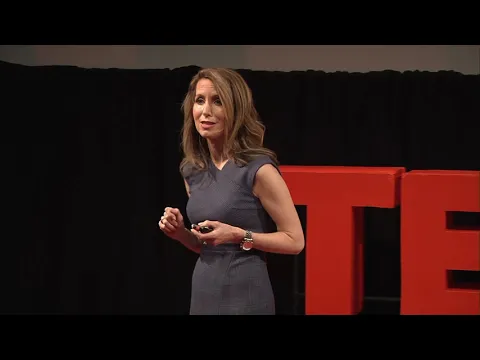
Intermittent Fasting: Transformational Technique | Cynthia Thurlow | TEDxGreenville
Here are benefits of fasting and results - one insane benefit is that if you don't eat for at least 17-18 hours your body switches on a process called 'autophagy' - literally recycling old cells and turning them into new ones.
Autophagy explained:
Intermittent Fasting and Cleaning Up the Body (Autophagy/Mitophagy) - YouTube
Some people absolutely swear by it and there are different lengths that people decide to do fasting for - from 1 to even 7 days! I would advise that the longer you want to fast for the closer you listen to your body and the better research you do to see what you need to supplement your body with during this period. Chris Pratt talks about his experience:
Chris Pratt gave intermittent fasting a try #menshealth - YouTube
Fasting benefits:





EVERYTHING YOU NEED TO KNOW BEFORE YOU START
+ TIPS FOR SUCCESS
Everybody is different, so the carnivore diet might not work the same for you as it does for someone else. Some people excel right away with this diet, while others need a more sensitive transition into the carnivore diet lifestyle.
If you’ve experimented with low carbohydrate and/or keto-type diets, the transition to a carnivore diet will likely be much easier. Meanwhile, if you’re a carb junky, you can expect the adjustment to be more challenging.
On average the carb cravings should diminish in approximately 2-3 weeks. This is the time the body needs to adjust to being able to use fat as fuel as opposed to carbohydrates.
Below you can read more about why you need to stay consistent for at least 2 weeks in order for this process to happen:
This can mean starting by transitioning a single meal each day to an entirely (or mostly, at least at the very beginning if you are transitioning) animal-based, or can mean settling for a diet that’s primarily, but not entirely, carnivorous. You'll have to see what works best for you.
I went pretty much cold turkey - and I'm only talking about a keto, not carnivore at the time - because I was completely desperate to feel better - and it took me about a month to diminish carb cravings (but I was a total pasta and bread junkie) - but was so worth it!.
What works for some people is going very strict for the healing period - just water, meat (high fat beef or lamb) and salt. Nothing else. This version of the carnivore is called the 'lion' diet. And it seems like, for many people it's true that the stricter you go, the better they feel. Like Dr. Chaffee said - many carnivores consider themselves 95% carnivores, however going that extra 5%, at least for a while, makes ALL THE DIFFERENCE. A lot of people have such high levels of energy and positive mood that they feel almost superhuman.
But for many people this might not be easy at the beginning. So I would recommend implementing the below points before you jump into it - this will increase your chances of success immensely.
In my experience there are a few keys to success. The first one is:
1. PLANNING AHEAD
Many of us believe they are addicted to food in general, but what is actually happening is that we are addicted to carbohydrates (which all break down to sugars in the body).
And it's not always easy to break that addiction. Some people are able to switch cold turkey with the sheer will power, but for many of us I think the better solution would be to slowly transition to the carnivore diet.
So I would advise you to write down what you are eating and make a plan to cut out certain foods, one by one, over a course of 4 - 12 weeks.
Say, for example, that you have a bowl of pasta for lunch each day. This is what I would do:
in week 1 cut the pasta in half and replace the other half with high fat meat
in week 2 take away another half and replace the rest with high fat meat
And so on and so forth. This is of course just an example to illustrate the process - you can adjust the quantities to be more or less than half.
I will give you an example: I had a favourite bar of chocolate which I ate every single day. In week one I ate one row less, in week 2 I ate 2 rows less etc. So this was a very slow transition, but I did it for a reason - chocolate has a lot of plant toxins and cutting it out too quickly can cause havoc in the body - so it's best to cut it out little by little (you can read more about plant toxins below). Both my parents had kidney stones and so I was terrified of them if i cut it out too quickly.
So this is just my example of how I approached this process, but you can make your own choices based on common sense and how your body reacts.
This will make it a bit easier to transition. So plan your meals ahead, make them at home and bring them to work with you. After a while you will be so happy you did!
I know this might seem like extra work, but remember:
this is only for the first couple of weeks, after that it will become your second nature
remember the reason you are doing this - for health, optimal functioning and wellbeing - both yourself and your loved ones.
Take out a piece of paper and a pen ( yes, seriously) and write out your plan - then stick it to the fridge.
AND THEN - STICK TO THE PLAN.
IT IS SO WORTH IT.
BUT YOU WILL HAVE TO GIVE IT A FEW WEEKS TO COLLECT YOUR REWARDS OF FEELING BETTER.
SO BE CONSISTENT BECAUSE YOUR BODY WILL THANK YOU FOR GIVING A CHANCE TO HEAL ITSELF.
Find out more here:
The next key to success is what I call:
2. NEXT BEST THING
This is what I tried to do when, e.g. I have a craving - I ask myself - what's the next best food I can replace it with instead? I'm basically looking for the closest healthiest alternative.
I take into consideration the amount of carbs, speed of insulin response, amount of plant toxins, how many ingredients the food contains (so if I have a craving for chocolate, I will choose the one that has 5 ingredients instead of 30).
So for example - if I wanted KFC - can I wait until I get home and make a 'homemade' KFC with pork panko instead of bread crumbs? If I can't wait - I can probably buy a piece of cooked chicken in the nearest supermarket.
Or - if I just saw someone eating ice cream in the summer - can I wait until I get home to make my own? Because it will have better ingredients and not as many potentially harmful ones. If I can't wait - I will probably go for some replacement like strawberries, because they have low sugar and low plant toxin levels.
You get the idea. In time you will learn not only to make better choices for yourself, but also be proud you are doing your best to take care of yourself and your health and giving your body a chance to not have to work so hard for you.
The 3rd key to success is:
3. DIMINISHING AND ELIMINATION OF PLANT TOXINS
This is a very important step and the reason is that there are certain plant nerve toxins, which, if suddenly cut off, may cause some havoc on their way out.
One particular group that I'm aware of (described in the book called 'Toxic Superfoods' by Sally K. Norton - this book completely changed the way I look at food by the way) are oxalates, which unlike other plant toxins tend to stay in the body.
You can get a copy here:
Toxic Superfoods: How Oxalate Overload Is Making You Sick-and How to Get Better - Kindle edition by Norton MPH, Sally K.. Professional & Technical Kindle eBooks @ Amazon.com.
If you suddenly eat a lot less of plants than you used to, including high levels of oxalates or cut them out completely it can cause a phenomenon called 'oxalate dumping', which can cause some aches and pains, leading people to believe they were caused by the carnivore diet itself (this caused me almost unbearable headaches when I try to cut out too quickly).
A surprising fact that very few people are aware of is that plants contain neurotoxins, some of them shaped like a spear, designed to puncture our cells and dehydrate them, are the cause of the pains you may be experiencing whilst trying to cut down on oxalates.
There is, however, a way to do this safely, and that, again, is to cut them out in stages. However, for that you first need to know the quantities you are ingesting in the first place - these you can find the 'Toxic Superfoods' book. I thoroughly recommend that not only new carnivores read this book but anyone who cares about their health and wellbeing.
I also recommend to not rely on google in this matter because the numbers can be vastly different from those in the book - I trust Ms. Norton's research as she was very upfront about the health price she paid by having a degree in nutrition and at the same time being in denial of what is causing her health issues.
There are a couple of more points that for many of us are really important to address:
4. EMOTIONAL / COMFORT EATING
There are many sources online that advise how to address this problem, and it should be addressed before jumping into the diet. Here is one example:
5. COMMUNITY SUPPORT
As the carnivore diet remains largely misunderstood and unpopular I think it's really important to find a support group, there are many on facebook or whatsapp.
Being a part of one makes it a lot easier not to fall back on old habits and / or sway back under pressure in the workplace, from family or friends. You might want to join a general one or a local one.
6. ADDRESSING THE CRAVINGS
There are several ways people deal with the cravings, some of them are:
crunching on a couple of bits of Himalayan, sea salt or Celtic salt
eating something allowed on the diet
adding more fat to your meals / choosing meat cuts with more fat content
eating bigger portions
find out what gives you a release of endorphins and do just that! Here are some examples (you can find your own of course!):
7. ADDITIONAL TIPS:
Stay Hydrated: Drink plenty of water and consider adding electrolytes to avoid dehydration (try finding ones without added sugar or other unnecessary ingredients), for example it could be something like this - always check out the ingredients list to see there is nothing else except the electrolytes themselves:
Freak Athletics Electrolytes Powder 250g - Unflavoured, 250 Servings | Zero Sugar Hydration Electrolyte Powder, Electrolytes for Keto & Fasting, Daily Hydration Support, 1g per Serving : Amazon.co.uk: Health & Personal Care
Instead of electrolytes you could also add a pinch of Himalayan or Celtic salt (best choice as it's harvested by traditional methods and has nothing added to it and over 80 different nutrients, the right one looks grey and is damp).
Focus on Variety: Incorporate different cuts of meat, fish, and organ meats to ensure you get a range of nutrients. You can get some meal ideas here:
Listen to Your Body: Pay attention to how you feel and adjust your food choices accordingly - you can increase or decrease salt and fat according to your taste and satiety
IMPORTANT: A crucial point in following the carnivore diet is that you need to make sure that you aren’t just eating lean meat.
It’s important to get an adequate amount of fat for energy and health, such as 15 - 20 or higher percentage fat cuts, many vitamins in minerals are located in the fatty part of the meat. If you eat only low-fat meats you will be hungry sooner or might even get what's called 'protein poisoning'.
Protein poisoning, also known as rabbit starvation, is a rare form of acute malnutrition caused by eating almost exclusively very lean meat without enough fat or carbohydrates over a long time. This lack of balance overburdens the liver and kidneys, causing a toxic buildup of nitrogen waste products like ammonia and urea in the blood.
WHAT TO EAT ON THE CARNIVORE DIET?
You can read about that here:
AFTER THE HEALING PERIOD
A lot of us have favourite foods that it might be difficult to completely cut out and never have again. I personally sometimes crave some childhood tastes. After the healing period you can start reintroducing some foods, one by one to see if they are causing any irritation so that you can have them from time to time without paying a hefty price for it. But maybe it's better to stick to the 'next best thing' rule, and try to reintroduce strawberries or broccoli instead of cornflakes or cake :)
This has to do with the fact that in the hunter-gatherers' era of humanity, some periods were marked by necessity to find foods to relieve starvation periods - these were mostly forest berries. Dr. Berry said that he has pear trees in their garden and every summer they eat them to their heart's content (for a couple of days I think he said) - it is my belief that this is their equivalent of eating nature's sugary foods that some people feel they can periodically enjoy without paying excessive health price.
There are tens of thousands of people on Reddit, Facebook, blogs, and podcasts who have shared their success stories and are still experiencing transformative benefits as a result of their transition to a carnivore diet.
Some claim they are now so happy and feeling so good that they are never going back to the standard way of eating because reintroducing certain foods back on their menu is creating issues - you will just have to see for yourself and decide what makes it worth it for you.
Here is a very good summary for beginners from Steak and Butter gal 👉
Ultimate Beginner's Guide to a Carnivore Diet: My Biggest Regrets


PLANNING
I wanted to make a separate section about planning because I think it's an absolutely indispensable in making the carnivore diet your success story. This is especially important in the modern day and age, when so many different things want our attention.
What I believe will help you enormously is if you take a piece of paper and a pen, and write down a phasing out plan. So, for example, if you are currently eating a standard diet, you would probably want to base it on slowly diminishing carbs and at the same time increasing protein ( remember to avoid lean protein, best is 15-20% fat ) and healthy fats ( saturated fats ).
So let's take an example meal: chicken + rice + salad - these are of course approximate amounts, everyone is different and you need to figure out the more exact quantities based on how you feel and how hungry you are - you should be able to figure it out within 1-2 days.
week 1: take away a quarter of the rice and salad and add more meat ( beef or lamb or fatty fish like salmon is best - remember the chicken is lean, so if you take away carbohydrates - in rice and salad - you must instead add healthy fats for energy production, otherwise you will get tired and hungry more quickly, which might stall or stop your willingness to continue )
week 2: take away another quarter, which will now leave you with half of the original salad and rice quantities and double the protein in meat or fish
week 3: take away another quarter, which will now leave you with a quarter of the original salad and rice quantities and a bit more protein in meat or fish
week 4: you should now be left with only meat or fish ( remember, at least some of it needs to be fatty for energy production )
There is something about about physically writing things down that your brain takes more seriously. So you really should take out a piece of paper and a pen, write out your plan and stick it on the fridge.
Here is mine to hopefully inspire you. As I'm already fat adapted it will be a bit different than a beginners one - you will see that mine is based on making the breaks between my 3 x meals a day shorter, so that I eventually end up with 2 x meals a day, and perhaps even an OMAD ( one meal a day ). You might need to enlarge it to see it properly but hopefully it will give you some ideas for inspiration:
But this is just an overview, remember you need to check with yourself how you are feeling after each meal and between the meals and adjust the plan accordingly. My personal goal was to eventually end up with fewer meals a day, either 2 or 1 ( starting with 3 x meals per day and intermittent fasting at the same time ) in order to take the most advantage of the autophagy process ( when the body recycles the damaged cells and renews them ). As you can see the plan was to repeat eating times for 3 x days and then the for the next 3 days e.g. eat half an hour later. And so on.
You will also be able to see that I implemented a HIIT training program ( high intensity interval training ), which is the absolute most effective program for healing and burning excess fat. You will see that I started with literally 10 seconds per repetition time, with 1-5 minutes of interval ( however long it takes you to FULLY recover, especially at the beginning ), and then I would do 15 seconds of repetitions for the next 3 days, then 20 seconds for the next 3 x days and so on. Here dr. Berg is talking about how to know that you are fully recovered
#1 HIIT Exercise That Burns the MOST Body Fat
As you are planning ahead you will be thinking about your actions, you will have time to prepare psychologically, dealing with what might make you want to cheat, you will see how much you effort you have put in which will make it less likely to cheat. If you deviate from the plan a bit, say by 0.5hr in each case, I don't think it matters too much.
What is equally as important is stress management - when we get stressed the stress hormone, cortisol, is released and often stops our progress. So it's really important for you to focus on what you will feel like in a few weeks time, stay positive and look forward to it.
Remember to stay compassionate towards yourself, if we are not well our body is trying to communicate with us and signal that something needs our attention. You should thank your body that it' been trying to get your attention and acting in your best interest.
The purpose of the plan is 3 x fold:
you avoid shocking your body into implementing changes letting it adjust slowly and naturally
you have a better overview of your progress, and when you see how far you have come and how much effort you already put in, you have a much better chance to continue and remain healthy
you are diminishing and eliminating plant toxins safely from your body
IMPORTANT:
The whole point of planning is to make the phasing out easier on you, physically, psychologically and emotionally. When people heard the word diet they immediately associate it with pain - consciously or subconsciously - pain of cutting out their comfort foods, pain of cravings, pain of facing uncomfortable beliefs or feelings. So it's really important to observe yourself and see where you are emotionally.
For me, for example, the above plan turned out to be too harsh - because too many carbs caused me to be hungry every 2-3 hours. So having to wait 4-5 hours until the next meal was just too much. So what I did was I ate half of what I 'thought I should eat', or what the 'normal portion looks like' and ate half of it - but it was what I knew was best for me ( fatty meat or fish ) - this way I felt happier because the hunger did not drive me crazy, and at the same time I knew the insulin secretion ( which happens not only when we eat carbs, but anytime we eat something, period ) would only be half as much at the most compared to carbohydrates. To illustrate this - as an example, if insulin rises 100% with carbohydrates, then with protein it rises about 50%, and fat - 5-10%. So I knew that my fatty meat would make the insulin rise only about 20-25% of what it would otherwise rise by, had I consumed carbohydrates. Eating smaller meals 4-5 a day at the beginning of the adjustment period with your insulin only rising 20-25% is much better than having 2-3 meals a day and starving and being unhappy in between. So at the beginning I traded hunger for additional smaller meats of what I knew I CAN eat. And mayo makes me happy 😂 and since butter mayo is almost 100% carnivore - I'm even happier😊
And it turned out that personally, I prefer smaller, fatter portions that fill me up for longer but not uncomfortably full, rather than bigger or even 'normal' ones. I also allowed myself to add a home made butter mayo ( THE best mayo you will ever taste - recipe in the 'Inspirations' section ).
What I also allowed myself to do, was to add a little bit of milk to my coffee WITH my meals ( but only black coffees when I’m not eating ). The reason is because insulin is secreted during every meal or drink that has calories ( this is the only time that calories really matter ) - in this case – a little milk in my coffee. The body considers sugar amount ( or carbohydrates ) over 4g ( about a teaspoon of sugar for comparison ) to be toxic, so with my splash of milk being around 1g I knew I was not harming my organs or my progress. And coffee with a little bit of milk makes me much happier than black coffee ( which I will sometimes drink between meals ). So again, you can see this is an example of how to keep your mood up in the adjustment phase and at the same time stick to your plan and progress. A win-win!
So, to sum it up, within the adjustment period I allowed myself to have smaller, fatter portions but more often - with every single food being between almost always 100% carnivore. And you can make your own adjustments just like this - it's important to do 2 things at the same time:
observe how you are feeling and be flexible with your adjustment
whilst at the same time stick to the plan and keep the drive towards your goal - because before you notice it your taste, metabolism, hunger, energy levels will change and your body will adapt - and some of you might end up being happy with 3 x meals a day and some will feel best with 1 meal a day.
If the plan you made is not working for you - ditch it and adjust. For example, I found out that the advice 'eat until you are full' is not working for me - I feel much better eating 3-4 bites of very high fat meals every 3-4 hours at the beginning of the adjustment. I tried to follow the advice of 'eat until comfortably stuffed', but I realized I felt a lot better when I'm only half full - at least at the adjustment phase of healing. You how you see someone in the kitchen cooking, and you come over and take a few bites - and you feel like - I'm good now - that's kind of how it was for me.
Later on this could become 'eat as much as you want until comfortably stuffed', which could translate to 3 meals a day or 1 meal a day. It's all an individual choice depending on what works for you.
So with this explanation I'm cheering you on - it's easier than you think ☺️


WHAT IS A STRICT CARNIVORE DIET?
A strict Carnivore Diet, also known as 'Lion' diet is eating only ruminant meats (beef, lamb), salt and water. Nothing else. Because these meats have all the essential nutrients you need and you are literally stripping your diet of EVERYTHING that might cause irritation or make it difficult for your body to heal. Dr Chaffee explains:
Meat Has All The Essential Nutrients
This version of the carnivore diet is often implemented in healing severe health issues, such as auto immune issues, and is sometimes required for a period of time (a few weeks, months) in order to improve them.
After the healing period some people decide to stick to it as they report feeling amazing.
For others, such as Mihaela Peterson (daughter of Jordan Peterson), it seems to be the only way of eating that does not irritate their existing health issues, sometimes severe as in this case 👇


IS CARNIVORE EXPENSIVE?
There seems to be a myth going round ( or maybe rather an approximation, that carnivores eat steaks every day, meaning their meals are expensive and therefore not everyone would be able to afford the diet. Whilst steaks like ribeye are one of the best options to eat in general - as this cut contains a perfect fat to protein ratio - it's nowhere near necessary. Some people actually don't even eat steak because they simply don't like it - I can't seem to find this video but if it's Jen from HomesteadHow Youtube channel that said this, she did say she likes burgers (as in patty,).
There are a ton of videos that give you ideas about how to do carnivore on a budget, like this one::
Can You Do Carnivore On An Extremely Low Budget? - YouTube
Or this one:
Carnivore On A Budget: Is It Possible?
Some people e.g. LOVE ground beef with scrambled eggs! Even if you are doing carnivore on a budget you are still miles ahead of anyone on a so-called standard diet. Think of it like this - being a carnivore on a diet you are like a silver medallist! Also, what some people don't realize, is that carnivore diet puts you in ketosis - which means there are no sugar crashes, which means that you are fuller for longer, which means that you don't need to / are not hungry nearly as often!


LEAKY GUT ON CARNIVORE
Do you have a leaky gut? Here is a protocol that might help heal it:
Leaky Gut on Carnivore Diet? Here’s How to Heal It - YouTube


HYDRATION
Even though a lot of carnivores like their teas and coffees some carnivores drink only water. Now, some people add a pinch of salt to the water (remember, never table salt), however I have recently found out a different way which makes me feel completely different - I can actually FEEL my cells getting hydrated - as opposed to a temporary effect, where the water seems to not only passing through me but even dehydrating me - which makes sense because water will flush out your electrolytes (which people then supplement with salt or electrolytes in their water).
The method is to put a grain of Celtic salt on your tongue ( it can also be sea salt or Himalayan salt, but Celtic salt is the best and purest, containing over 80 nutrients ), let it dissolve, and once it's dissolved you can drink your glass of water. Try it - I bet you will feel very different too! You can check out the below clip:


DAIRY ON THE CARNIVORE DIET
When it comes to milk and cheese products - they of course don't contain any toxins so many carnivores do include dairy in their diet. However, dairy can cause some irritation issues for some people and they feel best avoiding it altogether. So it really depends on how it makes you feel.
Dairy is also not recommended if you are looking to lose weight, as it does contain a few carbs (in a form of lactose) so it might throw you off ketosis (although after a while it seems to be more important to be fat adapted rather than in ketosis). Overall, if you are eating dairy, it's always better to have it full fat rather than skimmed - the higher fat to carb ration slows down the insulin response.
On the topic of dairy - there is one product I want to mention and recommend. I say product but you really can't buy it in any store, you'll actually have to make it yourself!
It's called L. Reuteri yoghurt and it was 'invented' by dr. William Davis. Dr. Davis discovered that this particular bacteria (called L. Reuteri) is the one bacteria that we are supposed to have in our gut but almost nobody does anymore - due to bad diet or antibiotics. And this bacteria takes care of all bad bacteria - amazing!
When I first tasted it it caused this euphoric moment for me - and knowing that it's probably because this was what my body was missing makes complete sense! I made a batch that was supposed to last a few days but ate way more than I planned 😂
If you like dairy or yoghurt - it's absolutely delicious!
It's not difficult to make, and there are only 3 ingredients: milk / cream, inulin ( which bacteria feeds on ) and L. reuteri. You'll also need a special yoghurt maker - the reason is because it needs to be made at a specific temperature, so the maker needs to have adjustable temperature.
Examples below:
Yoghurt maker:
Amazon.com: Yogurt Maker with Adjustable Temperature & Time Control,Digital Yogurt Maker Machine with 8×6oz Glass Jars,Make Trillions of Live Probiotics & Wellness Gifts for Men & Women: Home & Kitchen
L. reuteri bacteria
Swanson L. Reuteri Plus 7 billion CFU 30 Veg Capsules, Digestion, Probiotic | eBay UK
Inulin:
Pure Via Inulin Powder 1kg | Chicory Root Fibre | Vegan & Gluten-Free | eBay UK


Here are the amazing benefits of the yoghurt (read the comments underneath the video too, you will be amazed - some people report improved sense of humour :))

You can find the recipe here:

CHEATING ON CARNIVORE
What about cheating on the carnivore diet?
I think this is a multi-layered question, which is why it deserves a multi layered answer.
First of all - what do you mean by cheating? Do you mean a 'cheat meal' with added vegetables or a 'cheat weekend' during which you allow yourself a big takeaway and booze?
Or do you want to cheat with adding your favourite vegetable with your dinner or some blueberries at the end of your lunch?
As you can see - the first step is to be honest with ourselves, otherwise we might not get very far in getting your health and vitality back. If you find yourself regularly going for the first option because 'you've been eating well all week', then you might be setting yourself up for failure. And unfortunately, all you ever hear is that 'this or that' is good or bad for you, unhealthy or healthy, but it's rarely explained why.
Once again, there are a number of reasons.
First of all - you will be thrown out of ketosis - for up to 3 days! You can read more here:
Secondly, there are a number of ingredients in many different kinds of food (not just fast foo) and alcohol that will not just stop your progress, but might make your future progress slow down, such as hormone disruptors, seed oils, ultra-processed foods, additives, flavourings, sugars and a whole lot more, each of which causes a lot of chaos and damage in the body. You can read more here:
Dr. Chaffee explains:
How Much Does Cheating Hurt You On A Carnivore Diet?
Thirdly, plant toxins are not something insignificant, and if you start eating certain types of toxins after not eating them for a while it might cause even more damage to your organs and tissue. You can find out more here:
On the other hand, if you want to cheat from time to time with some cheese (if you don't normally include dairy in your diet) or some cherries - you can see that it's still cheating but it's in a bit of a different category - you are not dumping a bunch of seed oils and sugars into your system and your body won't have to work nearly as hard to return to the state of balance.
My personal go to cheat meals are strawberries with some fresh whipped cream - home made of course - which means one ingredient as opposed to 20. The reason is that strawberries are very low in toxins and sugars and double cream has a very high fat to carb ratio, which means a slow insulin response. And if I have this combination once every couple of weeks or once a month - I don't feel very guilty at all.
Occasionally I do miss some childhood tastes, and I'll have e.g. scrambled eggs with bacon and fresh tomatoes (but without skin or seeds as per 'Toxic Superfoods' book by Sally K. Norton). Or some avocado, which again, is very low in oxalates, zero sugars and high healthy fats.
But generally, there are probably 5 or 6 fruits and vegetables that I do consume from time to time, and if I do - I take into consideration the amount of carbs (need to be low), fats (need to be high) and toxins (need to be low). I also take into consideration glycemic and insulin indexes. I created a table with this data to help you make your own choices:
Here is dr Berry cheating talking about cheating on carnivore:
https://www.youtube.com/shorts/ZmZk6VHPpDg
I do something I call 'next best thing' that helps me with cheating - you can find out more in point 2 in the below section:
And here is another good advice from dr Berry
Cheating On Carnivore ? - YouTube
If you feel like the issue is that you are tempted to cheat because you are still in the phase of curing carb addiction, you can try ideas in point 6 in the below section:


Also, here is a comment that I found underneath one of the videos - it's a very good point and a good one to keep in mind in case you are struggling:
Carnivore changes hunger cues in some people. I've found if the thought of bite of meat isn't appetizing, that's because I'm not hungry. Hydrate and wait until the meat tastes good. It's a process relearning hunger cues, but doable.
There may be strict carnivores that will try to guilt you for eating cream cheese or milk on this diet but remember - CARNIVORE DIET IS NOT A RELIGION so you don't need to do it any which way.
The only thing I would recommend that you take into consideration that if you eat too much cheese or milk, you might not be able to lose weight if that is your goal. Also - I don't think I need to say that but if you, say, restrict yourself to eating only cheese - it might not be best for you. Dr Berry put it nicely - (paraphrased) - the purpose of milk is to make a calf grow as fast as possible - so unless you want to grow (which in case of adults would be sideways) you should exclude milk products from your diet (at least for the healing period).
The only exception here is strict carnivore (beef / lamb, salt, water), and the reason is because these meats contain such a variety of nutrients in such high quantities that you won't need to be worried about missing any nutrients (if you want to check out the 'Fun Fact' section for info related to this - I bet you won't expect that! :))
Otherwise - remember the goal of the carnivore diet - is to keep you healthy, which is done by the removal of plant toxins and ingesting high density nutrients which come from animal foods.
So if you are including some dairy products in your diet - you are already healthier than 99% people. Just don't overdo it - keep it reasonable :)
Here is a quick word from Dr. Chaffee:
How Much Does Cheating Hurt You On A Carnivore Diet? - YouTube
So I think for most people it’s good enough to note the difference between ultra processed food (which, by the way, is food broken down to atoms (!) and then put together again) and non-processed foods. As dr. Berry once said – if you want to cheat with some broccoli – God bless you!
There are also a lot of great recipes online for carnivore replacements, You could for example make something like these carnivore chips 👉

PLANT TOXINS
Unfortunately, despite what we'd love to think, plants are not as benign as we've been told. They are living beings and need to protect themselves, but unlike animals do not have teeth, claws or legs to run away or fight. So they developed other defences, which are meant to deter other living beings from eating them.
We all know this instinctively - we wouldn't walk outside and eat leaves or fruit from any random tree or bush. In fact, the plant kingdom produces approximately 1.000.000 distinct kinds of toxins. The strongest toxin in the world comes from a plant. Toxins, are essentially weapons plants use to defend themselves.
Every plant has these weapons, including edible plants. Unfortunately, even the ones we essentially engineered to life a few hundred or thousands years ago that we know today as 'vegetables'. However they have varying levels of toxins in them.
One of the toxins called 'oxalates' can cause more problems than others as it tends to stay in the body.
Just to give you an example, spinach has about 1400 mg of oxalates per cup and iceberg lettuce has only 0.4 mg per cup.
For this reason, it's important that you have more information about this particular toxin which is described in the below book - it also describes how to eliminate oxalates from the body safely:
Toxic Superfoods: How Oxalate Overload Is Making You Sick-and How to Get Better eBook : Norton MPH, Sally K.: Amazon.co.uk: Books
I'll tell you one interesting fact that you probably didn't know: about 80% of kidney stones are caused directly by oxalates.
Here is a short excerpt from the book to give you an idea that this is a subject that we should treat seriously and with respect:
The Danger zone (approximate daily intake over 800 mg) causes toxic stress that puts all your critical organs at high risk for damage. Eating in this zone forces your body to sequester oxalate and make other compensations that will eventually lead to serious health problems.
So as you are transitioning to the carnivore diet you must know about what's called 'oxalate dumping' - this is a process that might occur as we have a buildup of plant toxins and we suddenly stop eating them - this is when the body believes that since the ingestion of poisons stopped, so it can then remove the toxins.
This process can cause havoc on its way out, and can for example kidney damage. I remember a story of a woman who went on a spinach juicing diet for a few days and ended up needing kidney dialysis!
This is why I highly recommend you read this book before you transition to carnivore, alternatively do your own proper research from a number of sources.
In my experience it often tends to be the case that 'it's not what they tell you, it's what they don't tell you'. When it comes to plant nutrients what they don't tell you is that even though on the surface it looks like they contain many nutrients, what they don't tell you is that:
they are not bioavailable - the human body can't absorb them
the toxins in the plants actually STEAL our existing nutrients (all explained in Sally K. Norton's book 'Toxic Superfoods')
BASIC RULE TO REMEMBER IS TO AVOID HIGH OXALATE FOODS CONSUMPTION AND TRY TO STICK TO LOW OXALATE FOODS AND INTRODUCE WHAT THE AUTHOR CALLED 'PORTION CONTROL'.


PSYCHOLOGICAL SIDE OF HEALING
Carnivore Diet is an amazing healing modality that changed lives of thousands of people in ways they never imagined possible. There is no doubt about that.
However, sometimes we get stalled in our progress - I believe that many times what is happening is one of two things ( or both ):
we don't have enough community support, excess stress, not enough quality sleep, not enough sun on our skin; do you remember the centennials from the blue zones? they have PLENTY of supply of these factors, which are often forgotten in our western world
we have subconscious beliefs that might be quietly sabotaging our efforts, so it's important to address them. Our bodies were designed to heal themselves and if there seems to be not enough progress the reasons are usually unprocessed emotions ( connected with food, eating or some other area that might in some way affect our goal ) or subconscious beliefs. There are many ways to find out what they are and address them, here are some ideas to get you started:
(1) How to find Subconscious Beliefs (and how to change them) - YouTube
Dr. Bruce H. Lipton Explains How To Reprogram The Subconscious Mind
(1) PSYCH K changing your beliefs - YouTube
Scientists Were Wrong: Your Body Is Designed to Heal Itself | Gregg Braden
(1) Why Your Body Won’t Fully Relax Until You Release This | Dr. Sue Morter - YouTube
You can also listen to something like these health affirmations, whether you are awake or asleep - I have them on low volume when I'm going to sleep ) - they really work! There are tons online, here is an example:


A WORD OR TWO ABOUT VEGETABLE / SEED OILS
I won't delve too much into this subject and let others do the talking, except to say that, as opposed to being told the exact opposite - they are the WORST thing for you. Even worse than sugar! In fact, they are not at all fit for human consumption, they were originally made for engine lubrication! Below video explains:
Seed Oils Explained: What They Are, How They’re Made, and Why They Harm the Human Body #seedoils
And here is some quick questionable history behind introducing seed oils into the food market:
The Dark History of Seed Oils (Why They're Everywhere in Our Diet)
This is what is involved into the production process:
Dr. Cate Shanahan spells it out for you and explains exactly why it's absolutely terrible for you:
The Food That Is More HARMFUL Than Sugar (Don’t Eat This!) | Dr. Cate Shanahan
They are also one of the subjects of Daniel Trevor's book
Unholy Trinity: How Carbs, Sugar & Oils Make Us Fat, Sick & Addicted and How to Escape Their Grip (Audio Download): Daniel Trevor, Daniel Trevor, Daniel Trevor: Amazon.co.uk: Books
To clarify, let's list which oils we are talking about:
Seeds: safflower, grapeseed, sesame
Nuts: Almond, peanut, macadamia
Soybean oil
Canola (rapeseed) oil
Sunflower oil
Peanut oil
Corn oil
Palm oil
Rice bran oil
Why are these oils - even nut oils - not good for you? Because they get oxidized in the production process and are already oxidized when put on a store shelf. You can check out this video:
How Oils Become Oxidized & Inflammatory
WHAT ABOUT OLIVE OIL, AVOCADO OIL, COCONUT OIL?
These are by far the best out of all processed oils. I personally use virgin cold pressed coconut oil instead of a face or body lotion as it's very low in oxalates and plant toxins.
When it comes to avocado and olive oil - again, you should try to use the least processed / cold pressed one if you want to use it, do bear in mind that oxalate content might be relatively high and that these should not be used in cooking as will oxidize, but instead in it's original on e.g. salads.
I used to use cold pressed avocado mayo, but one teaspoon turned out to be about 30mg of oxalates - so you might want to use it sparingly.

SO WHICH FATS CAN YOU USE?
Saturated fats, as opposed to what we've been told over the years, turn out to be neutral or even beneficial - beef tallow, lard or butter (note that for some people, especially in the healing phase lard or butter may cause irritation). Dr. Sten Ekberg explains why saturated fats are safe to consume:


One of the reasons seed oils are so bad for you is because they can stay in your body FOR YEARS! Find out more here:

WHAT IF I'M NOT READY TO START THE CARNIVORE DIET?
That's ok, you should really give yourself a pat on the shoulder for being here, looking and trying. That's a REALLY BIG STEP and you are moving in the right direction. I'm pretty sure that in time you will come round to warming up to the idea and giving the Carnivore Diet a go. In the meantime, you will definitely benefit from lowering your blood sugar.
For a start, 25-30g of additional protein for breakfast will help you feel more full and therefore eat fewer carbohydrates throughout the day.
There is a nutritionist known as Glucose Goddess, who said she wanted to keep consuming her favourite foods, but at the same time she wanted to make sure she is giving herself the best chance to remain healthy. So she developed a bunch of 'hacks' that you can apply with your eating plan, that lower the sugar spikes and insulin secretion.
You can find them here:
Here is also some good advice and very easy to implement:


WHAT IS AUTOPHAGY AND HOW CAN IT HELP ME?
Autophagy is a body's process of recycling and reusing worn‑out or damaged cell components. Think about it - anything that is not helpful for the body to grow and develop gets recycled and reused - including disease. Isn't it incredible?
Autophagy is mostly known to be activated through fasting for 16-24 hours, however there are other ways to make it work, you can find out more here:


CORRUPT HISTORY OF THE FOOD PYRAMID AND CHOLESTEROL
Like many other people I used to pray in the church of the food pyramid. And so when I discovered some history behind it as well as other 'inaccuracies' I was in for a big surprise...

TRUTH ABOUT CHOLESTEROL
Dr. Paul Mason - 'The truth about high cholesterol' - YouTube
HOW DID THE FOOD PYRAMID BEGIN?
Dr. Paul Mason - 'The corrupt history of the food pyramid' - YouTube

DISCLAIMER:
The statements on this website are not intended to diagnose, treat, cure or prevent diseases and are for educational purposes only. Nothing on this website or associated social media is intended to diagnose, treat or cure any medical condition. If you have a physical or mental health condition, you should seek advice of a medical professional immediately.
Also - I have no affiliation with any of the persons, channels, books or other resources presented on this website - these are all my personal recommendations that I do not receive any monetary rewards for.